


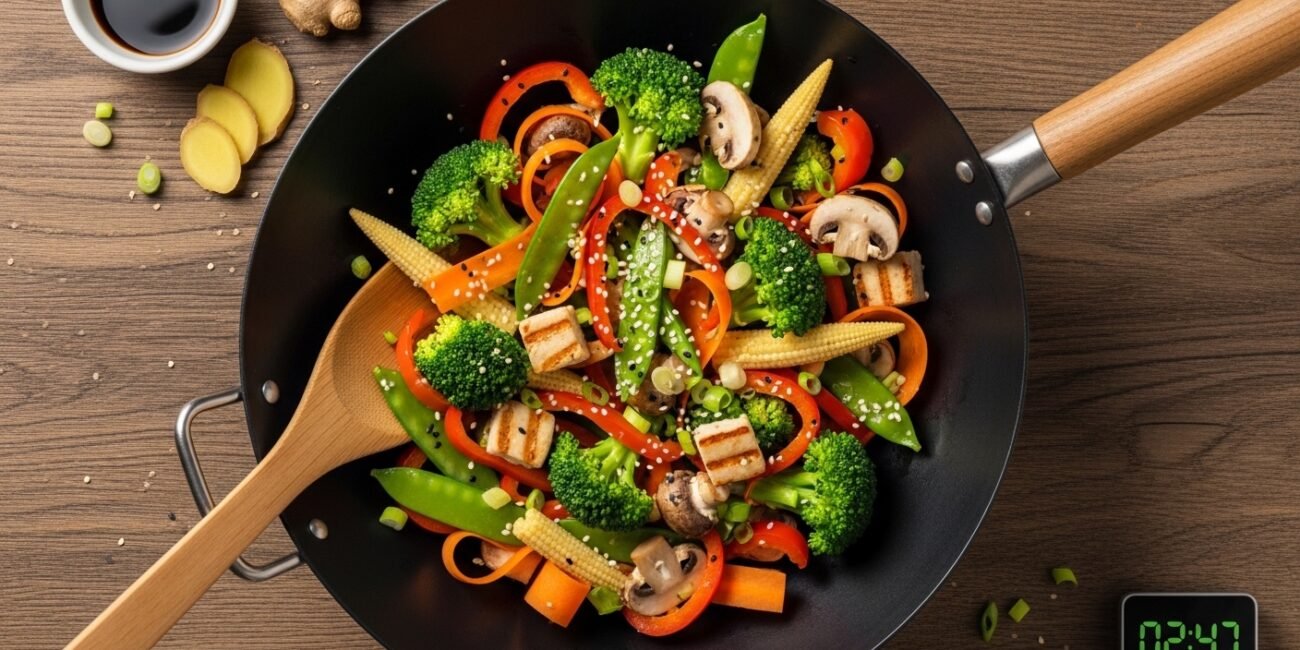
Did you know that a staggering 75% of Americans find cooking healthy meals from scratch challenging due to time constraints? Imagine preparing a vibrant, nutritious, and incredibly flavorful dinner in less time than it takes to order takeout. This isn’t just a culinary fantasy; it’s the reality you can achieve with our guide on How to Cook a Healthy Vegetable Stir Fry in Minutes. This versatile dish isn’t just fast; it’s a powerhouse of nutrition designed to fuel your body and delight your taste buds without sacrificing precious minutes. Let’s dive into mastering this quick and delicious weeknight warrior!
Ingredients List
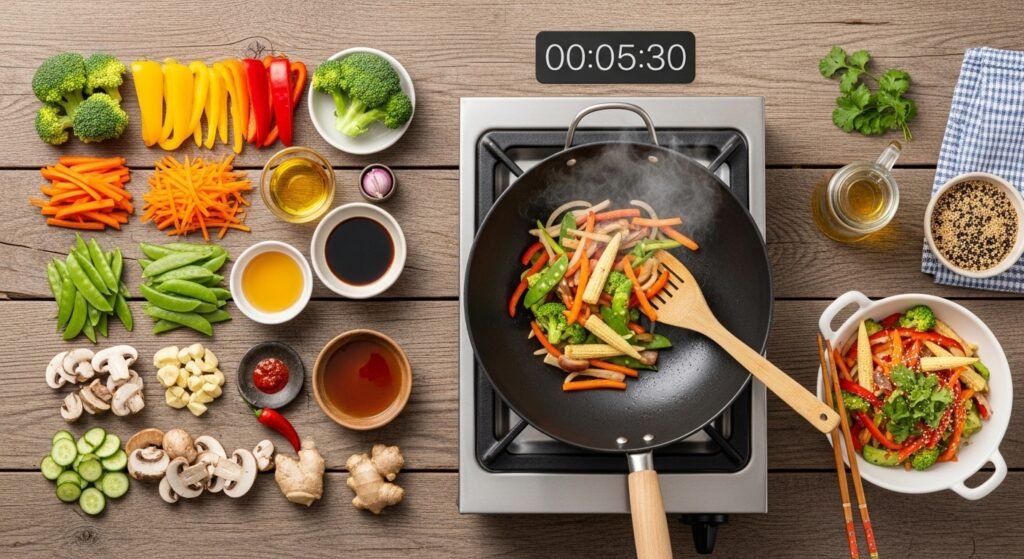
To truly master How to Cook a Healthy Vegetable Stir Fry in Minutes, selecting fresh, high-quality ingredients is key. Here’s what you’ll need, with some delightful substitution ideas:
- Protein (Choose One):
- 1 lb organic chicken breast, thinly sliced (for a lean protein boost)
- 1 lb firm tofu, pressed and cubed (a fantastic plant-based alternative, offering similar protein per serving)
- 1 lb shrimp, peeled and deveined (cooks in a flash!)
- Substitution: Edamame or cashews for added texture and plant-based protein.
- A Rainbow of Vegetables (approx. 6 cups total, chopped):
- 1 head broccoli, cut into florets (packed with Vitamin C and K)
- 2 carrots, julienned or thinly sliced (for a pop of beta-carotene)
- 1 red bell pepper, thinly sliced (rich in antioxidants)
- 1 yellow squash, thinly sliced (adds a delicate sweetness)
- 1 cup snap peas (for that satisfying crunch)
- 1 cup mushrooms, sliced (contributes umami depth)
- Substitution: Asparagus, bok choy, green beans, or even spinach can hero in this dish. Use what’s fresh and available!
- Aromatic Essentials:
- 2 cloves garlic, minced (the flavor foundation)
- 1-inch ginger, grated (for a zesty kick and digestive benefits)
- Stir Fry Sauce (Homemade is healthier and tastier!):
- ¼ cup low-sodium soy sauce or tamari (for gluten-free)
- 2 tbsp mirin (adds a subtle sweetness)
- 1 tbsp rice vinegar (for a touch of tang)
- 1 tsp sesame oil (for nutty aroma – key!)
- 1 tsp cornstarch or arrowroot powder (for thickening)
- ¼ cup chicken or vegetable broth
- Substitution: A pinch of red pepper flakes for heat, or a squeeze of lime juice for extra brightness.
- Cooking Oil:
- 1-2 tbsp high smoke point oil like avocado oil or grapeseed oil.
- Garnish:
- Sesame seeds and chopped green onions (for presentation and extra flavor!)
Timing
One of the greatest appeals of learning How to Cook a Healthy Vegetable Stir Fry in Minutes lies in its incredible efficiency.
- Prep Time: 15-20 minutes (depending on your knife skills!)
- Cook Time: 8-12 minutes (this is where the “minutes” truly shine!)
- Total Time: 23-32 minutes
This streamlined process makes it significantly faster than the average home-cooked meal, clocking in about 30% less time than dishes requiring multiple cooking components and lengthy baking periods. It’s perfect for those busy weeknights when you still crave something fresh and flavorful.
Step-by-Step Instructions
Becoming proficient in How to Cook a Healthy Vegetable Stir Fry in Minutes is a journey of simple, yet impactful steps. Let’s get cooking!
Prepare Your Ingredients (The Secret to Speed!)
Before turning on the heat, ensure all your vegetables are chopped, your protein is sliced, and your sauce is mixed. Don’t underestimate this step; it’s the foundation of a quick stir fry. Pro Tip: Arrange your prepared ingredients near your stovetop in small bowls (mise en place style) for a seamless cooking flow. This reduces cooking stress and dramatically speeds up the process.
Master the Sauce
In a small bowl, whisk together the soy sauce (or tamari), mirin, rice vinegar, sesame oil, cornstarch/arrowroot, and broth. Give it a good whisk to ensure the cornstarch is completely dissolved – no lumps allowed! Personalized Insight: Adjust the sweetness or tang to your preference here. A dash more mirin if you like it sweeter, or extra rice vinegar for more zing.
Sear Your Protein
Heat 1 tablespoon of your chosen high smoke point oil in a large wok or a wide, heavy-bottomed skillet over high heat until shimmering. Add your sliced chicken, tofu, or shrimp in a single layer. Cook for 2-3 minutes per side until nicely browned and almost cooked through. Remove the protein from the pan and set aside. Chef’s Trick: Don’t overcrowd the pan! Cook in batches if necessary to ensure a proper sear, which locks in flavor and prevents steaming.
Stir Fry the Aromatics
Add the remaining oil to the pan. Toss in the minced garlic and grated ginger. Stir fry for about 30 seconds until fragrant. Be careful not to burn them – a golden hue is what we’re aiming for! Value Add: This quick step infuses the entire dish with a foundational layer of aromatic flavor.
Add the Vegetables in Stages
Start with the harder vegetables that take longer to cook, like broccoli and carrots. Stir fry for 2-3 minutes. Next, add the bell peppers, squash, and mushrooms. Continue to stir fry for another 2-3 minutes until the vegetables are tender-crisp. Actionable Tip: Keep the vegetables moving! Constant stirring ensures even cooking and that coveted crisp texture. Embrace the sizzle!
Combine and Finish
Return your seared protein to the pan with the vegetables. Give your prepared stir fry sauce another quick whisk, then pour it over everything. Stir continuously for 1-2 minutes until the sauce thickens and coats all the ingredients beautifully. Engaging Detail: Watch as the sauce transforms, clinging to every vegetable and protein, creating a glossy, inviting finish.
Nutritional Information
Understanding How to Cook a Healthy Vegetable Stir Fry in Minutes also means appreciating its impressive nutritional profile. A typical serving (roughly 1.5 cups with chicken) offers:
- Calories: 350-400 (highly dependent on protein and oil used)
- Protein: 30-35g (excellent for muscle repair and satiety)
- Fiber: 6-8g (contributing to digestive health, reaching about 25% of your daily recommended intake)
- Healthy Fats: 10-15g (from sesame oil and cooking oil)
- Vitamins & Minerals: Rich in Vitamin C (over 100% daily value from bell peppers), Vitamin K, Folate, and Potassium. Data consistently shows that vegetable-rich meals like stir-fries significantly boost overall micronutrient intake compared to typical Western diets.
This dish is a fantastic way to meet your daily vegetable recommendations and supports a balanced diet.
Healthier Alternatives for the Recipe
Making this a Healthy Meals is easy with a few mindful tweaks. Here are some brilliant ways to adapt your stir fry for various dietary needs:
- Lower Sodium: Opt for low-sodium soy sauce or Bragg Liquid Aminos. Always taste before adding extra salt.
- Gluten-Free: Use tamari instead of regular soy sauce, and ensure your broth is gluten-free. Arrowroot powder is a natural gluten-free thickener.
- Keto/Low-Carb: Skip the mirin (which contains sugar) and add a dash of sweetener like erythritol if you desire sweetness. Load up on low-carb veggies like bok choy, broccoli, and mushrooms. You can also use cauliflower rice instead of traditional rice as a base.
- Vegan/Vegetarian: Tofu or tempeh are excellent protein choices. Ensure your broth is vegetable-based. Nutritional yeast can add a cheesy, umami depth if desired.
- Oil-Free: Use a good quality non-stick pan and a small amount of vegetable broth or water for sautéing the aromatics and vegetables instead of oil.
Serving Suggestions
Elevate your knowledge of How to Cook a Healthy Vegetable Stir Fry in Minutes by mastering its presentation and pairing!
- Classic Comfort: Serve over a bed of fluffy brown rice or quinoa. The grains absorb the delicious sauce, making each bite incredibly satisfying.
- Low-Carb Delight: For a lighter option, pair with cauliflower rice or zucchini noodles. This keeps the meal vibrant and fresh.
- Noodle Nirvana: Toss your stir fry directly into cooked whole wheat or rice noodles for a complete, hearty meal.
- Crunchy Topping: Sprinkle with extra sesame seeds, chopped peanuts, or cashews for an irresistible textural contrast.
- Spicy Kick: Drizzle with a touch of sriracha or chili garlic sauce for those who love a bit of heat!
Common Mistakes to Avoid
Even when you know How to Cook a Healthy Vegetable Stir Fry in Minutes, a few common missteps can hinder your success.
- Overcrowding the Pan: This is perhaps the most significant error! When you add too many ingredients, the temperature of your pan drops, and everything steams instead of stir-frying. This leads to soggy, lackluster vegetables instead of tender-crisp perfection. Always cook in batches if your pan isn’t large enough. Data shows that proper space allows for the Maillard reaction (browning), which is crucial for flavor development in stir-fries.
- Lack of Prep (Mise en Place): Trying to chop veggies while the wok is searing is a recipe for disaster (and potentially burnt food!). Having everything prepped and ready before you start cooking is non-negotiable for a fast stir fry.
- Low Heat: Stir-frying demands high heat. If your pan isn’t hot enough, your ingredients will stew in their own juices. Ensure your oil is shimmering before adding ingredients.
- Under-Seasoning or Over-Saucing: Taste your sauce! While salt and savory ingredients are important, too much sauce can make the dish watery or overly salty. Aim for a balanced flavor that enhances, not overwhelms, the fresh ingredients.
- Using the Wrong Oil: Olive oil has a low smoke point and will burn and taste bitter at the high temperatures required for stir-frying. Stick to high smoke point oils like avocado, grapeseed, or peanut oil.
Storing Tips for the Recipe
Mastering How to Cook a Healthy Vegetable Stir Fry in Minutes also extends to smart storage.
- Cool Quickly: Allow the stir fry to cool down to room temperature within 1-2 hours after cooking. This prevents bacterial growth.
- Airtight Containers: Transfer leftovers to airtight containers. This helps maintain freshness and prevents odors from mixing with other foods in your fridge.
- Refrigeration: Store in the refrigerator for up to 3-4 days. The vegetables will soften slightly, but the flavors will often meld beautifully.
- Freezing (With Caution): While technically freezable for up to 2-3 months, some vegetables (especially crisp ones like bell peppers and snap peas) may become mushier after thawing. If freezing, consider prepping components separately. Protein and sauce usually freeze well.
- Reheating: Reheat gently in a microwave or a skillet over medium heat, adding a splash of water or broth to rehydrate if needed. Avoid overcooking, as this can further soften the vegetables.
Conclusion
You’ve now unlocked the secrets of How to Cook a Healthy Vegetable Stir Fry in Minutes – a culinary skill that promises delicious, nutritious meals even on the busiest of schedules. From the crisp vegetables and savory sauce to the lean protein, this dish truly offers a complete and satisfying experience. It’s a testament to the fact that healthy eating doesn’t have to be complicated or time-consuming.
Are you ready to transform your dinner routine? Don’t just read about it; try it tonight! Whip up this incredible stir fry and tell us your favorite vegetable combinations in the comments below. For more inspiration on creating Healthy Meals and quick, easy recipes like this one, be sure to explore our other posts, including how to make a refreshing Healthy Meals you’ll love! Your healthy eating journey starts now!
FAQs
Q1: Can I use frozen vegetables for stir fry?
A1: Absolutely! Frozen mixed vegetables are a fantastic shortcut. Just add them directly to the pan from frozen after your aromatics, and cook until heated through and tender-crisp. You might need to cook them a little longer than fresh veggies to evaporate excess water, ensuring your stir fry doesn’t get watery.
Q2: What’s the best way to get crispy tofu in a stir fry?
A2: The key is pressing out as much water as possible from the tofu beforehand. Wrap it in a clean kitchen towel and place something heavy on top for at least 30 minutes. Then, tossing it in a little cornstarch before pan-frying will create a beautifully crisp exterior that holds up well in the stir fry.
Q3: How can I make my stir fry spicier?
A3: To add heat, you have several options! You can add a pinch of red pepper flakes with your garlic and ginger, drizzle chili oil into your sauce, or finish with a generous squirt of sriracha or gochujang. Experiment to find your preferred level of spice!
Q4: Can I meal prep this stir fry?
A4: Yes, this recipe is excellent for meal prep! You can chop all your vegetables and make the sauce ahead of time, storing them separately in the fridge. Cook the stir fry fresh on the day, or cook the entire dish and divide it into individual portions for up to 3-4 days of healthy lunches or dinners.
Q5: What kind of rice is best to serve with stir fry?
A5: While white rice is traditional, brown rice offers more fiber and nutrients. Quinoa is another excellent, protein-rich grain option. For a low-carb alternative, cauliflower rice is a fantastic choice that perfectly absorbs the stir fry sauce.
Other Articles

How to Make a Protein Packed Breakfast Bowl
How to Prepare a Detox Juice with Lemon and Ginger