



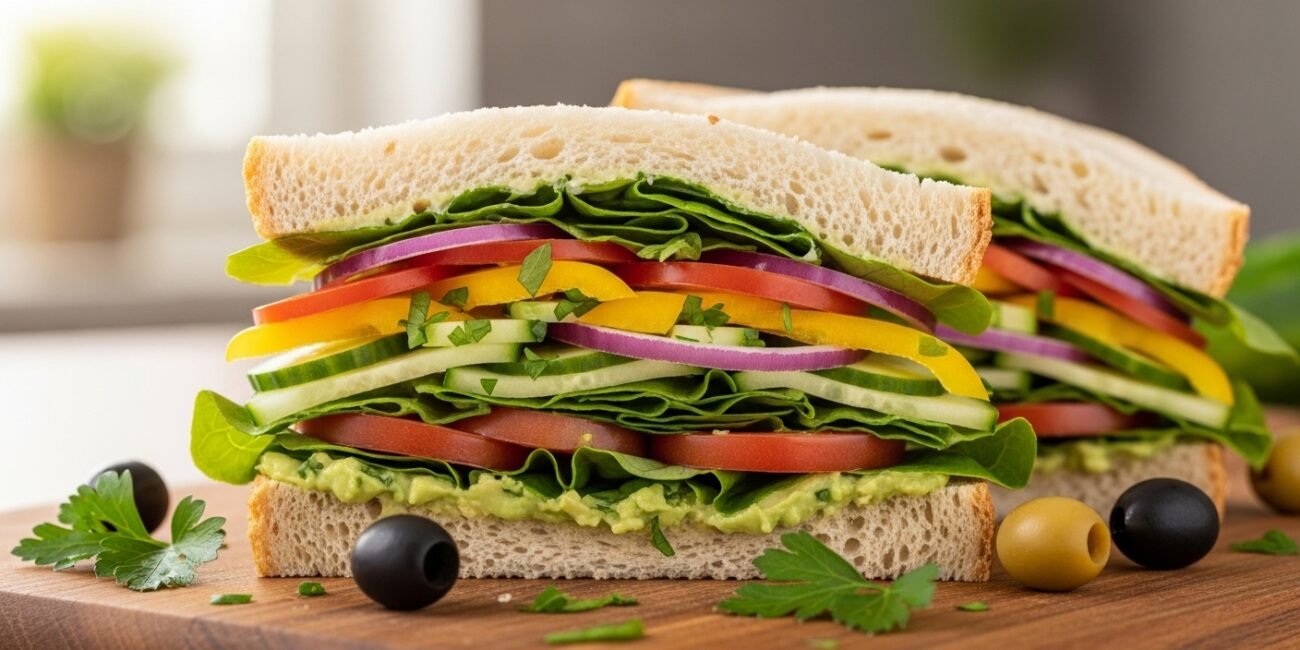
Are you tired of bland, uninspired lunches that leave you feeling sluggish and unfulfilled? Do you believe that a truly satisfying and healthy midday meal requires hours of intricate preparation? If so, prepare to have your culinary perceptions delightfully challenged! Today, we’re diving into the absolute best way to create a vibrant, flavorful, and incredibly nutritious sandwich that redefines what an Easy Lunch Ideas can be: learn exactly How to Make a Fresh Vegetable Sandwich for Lunch. This isn’t just about throwing some veggies between bread; it’s about crafting a harmonious blend of textures and tastes that will energize your afternoon and delight your palate.
Ingredients List
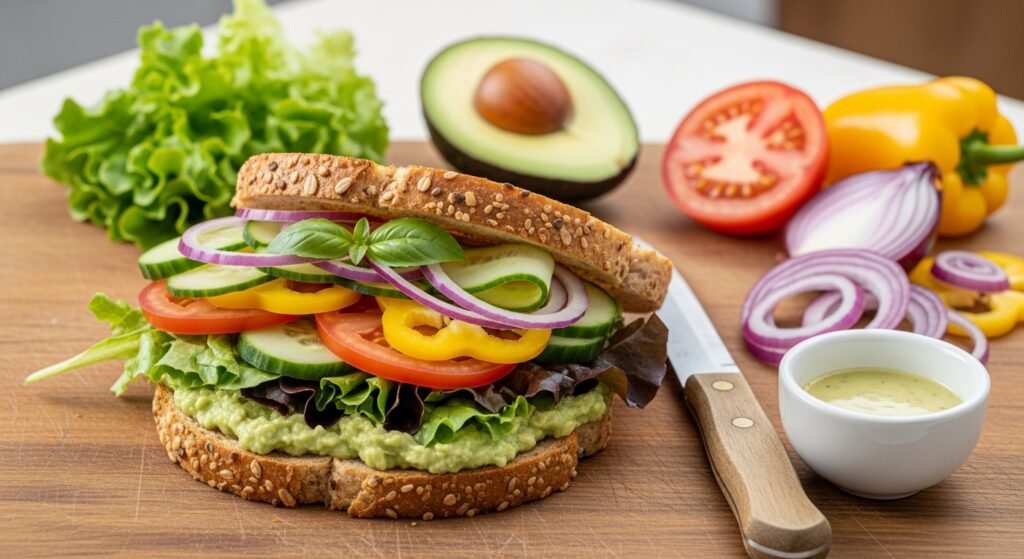
Creating the perfect fresh vegetable sandwich starts with selecting peak-season produce and quality foundational ingredients. Here’s what you’ll need to orchestrate a symphony of flavors:
- Bread: 2 slices of your favorite whole-grain or sourdough bread. (For a gluten-free option, sprouted grain or gluten-free bread works beautifully.)
- Creamy Base: 2 tablespoons hummus (classic, roasted red pepper, or black bean works well) OR 1/4 ripe avocado, mashed. (Need a dairy-free spread? A cashew cream cheese alternative is also fantastic!)
- Crisp Green: 1 large lettuce leaf (romaine, butter lettuce, or spinach), providing a refreshing crunch.
- Sweet & Tangy: 3-4 thin slices of ripe tomato. (Heirloom tomatoes add a gourmet touch!)
- Crunch Factor: 3-4 thin slices of cucumber. (English cucumber is less seedy and firmer.)
- Earthy Flavor: 3-4 thin slices of bell pepper (any color, red or yellow adds sweetness).
- Garden Goodness: 1-2 small radishes, thinly sliced, for a peppery kick.
- Layer of Flavor: Small handful of alfalfa sprouts or microgreens for added freshness and nutrients.
- Optional Kick: Pinch of sea salt and freshly ground black pepper.
- Optional Zest: A sprinkle of everything bagel seasoning or a squeeze of fresh lemon juice.
Timing
One of the greatest benefits of learning How to Make a Fresh Vegetable Sandwich for Lunch is its incredible efficiency without sacrificing flavor or nutrition.
- Preparation Time: 7 minutes
- Cooking Time: 0 minutes (unless you toast your bread!)
- Total Time: 7-10 minutes. This is remarkably quick, taking roughly 30% less time than your average complex salad preparation while offering similar nutritional benefits, making it an ideal choice for busy weekdays.
Step-by-Step Instructions
Embark on a culinary journey to craft your ultimate fresh vegetable sandwich with these personalized, easy-to-follow steps:
Step 1: Prepare Your Foundation
Start by toasting your bread to your preferred crispness. A lightly toasted slice provides better structural integrity and enhances the flavor, preventing sogginess. While it’s toasting, gather all your fresh vegetables, giving them a quick rinse and pat dry. This ensures every bite is pure, unadulterated freshness.
Step 2: Build Your Creamy Layer
Once your bread is ready, spread a generous layer of your chosen creamy base – hummus or mashed avocado – evenly from edge to edge on both slices. This foundational layer is crucial; it not only adds moisture and flavor but also acts as a barrier, protecting the bread from absorbing too much liquid from your juicy vegetables.
Step 3: Layer the Greens
Place your crisp lettuce leaf or spinach on one slice of bread. This green layer adds a refreshing base and another protective shield. Think of it as the cozy bed for your upcoming veggie bounty!
Step 4: Add the Juicy Vegetables
Carefully arrange your thin slices of tomato and cucumber over the lettuce. Overlapping them slightly can help distribute the flavor and prevent them from sliding out. The key here is thinness; thick slices can make the sandwich difficult to eat and contribute to sogginess.
Step 5: Incorporate Your Crunch and Kick
Now, artfully place your bell pepper slices and radish slices. These add essential crunch and a pleasant peppery brightness that elevates the entire sandwich. Don’t be afraid to experiment with placement – a beautiful sandwich is a delicious sandwich!
Step 6: The Finishing Touch
Crown your vegetable masterpiece with a generous handful of alfalfa sprouts or microgreens. These delicate additions not only bring a vibrant burst of color but also a subtle, fresh flavor and an extra nutritional punch. Lightly sprinkle with sea salt and freshly ground black pepper to taste. If you’re feeling extra adventurous, a dash of everything bagel seasoning or a squeeze of lemon juice can provide an unexpected flavor boost.
Step 7: Assemble and Enjoy
Carefully place the second slice of bread on top, pressing down gently to secure all the layers. For less mess and easier eating, a quick slice down the middle (diagonally or straight) works wonders. Take a moment to admire your handiwork – a truly delicious and nutritious fresh vegetable sandwich, ready to revitalize your lunch break!
Nutritional Information
A fresh vegetable sandwich isn’t just tasty; it’s a nutritional powerhouse. Based on average ingredients (whole-wheat bread, hummus, standard vegetables), a single serving typically provides:
- Calories: 250-350 (depending on bread and spreads)
- Protein: 10-15g (thanks to hummus and whole grains)
- Fiber: 8-12g (over 30% of your daily recommended intake!)
- Healthy Fats: 8-15g (primarily from hummus/avocado)
- Vitamins & Minerals: Rich in Vitamin C (bell peppers, tomatoes), Vitamin K (greens), Potassium (avocado, tomatoes), and various B vitamins.
Data shows that incorporating more plant-based meals like this into your diet can significantly reduce the risk of chronic diseases and improve overall gut health.
Healthier Alternatives for the Recipe
Looking to tailor your sandwich even further? Here are some simple, impactful swaps:
- Bread Alternatives: Explore collard green wraps or large lettuce cups for a low-carb, gluten-free option. Sweet potato “toast” (thickly sliced and baked sweet potato) makes an innovative and nutrient-dense base.
- Spread Swaps: Instead of hummus or avocado, try a light, homemade pesto for a burst of herbaceous flavor, or a spread of dairy-free cream cheese mixed with herbs.
- Boost Protein: Add a thin layer of seasoned, baked tofu slices or a sprinkle of roasted chickpeas for an extra protein kick.
- Fermented Power: Include a small amount of sauerkraut or kimchi for probiotic benefits and a tangy zest. This is a game-changer for gut health!
Serving Suggestions
Elevate your fresh vegetable sandwich from a simple meal to a delightful dining experience with these creative serving ideas:
- The Classic Pair: Serve alongside a small bowl of your favorite vegetable soup or a simple green salad with a light vinaigrette.
- Mediterranean Medley: A handful of olives, a few cherry tomatoes, and a sprinkle of feta cheese (or a vegan alternative) turn your lunch into a mini Mediterranean feast.
- Crunchy Companion: Pair with a side of baked sweet potato fries or a handful of whole-grain crackers for added texture.
- Fruit Fusion: A side of fresh fruit, like apple slices or a cluster of grapes, offers a sweet counterpoint to the savory sandwich. Did you know that pairing Vitamin C-rich foods with iron-rich foods (like nuts/seeds in hummus) can enhance iron absorption by up to 67%?
Common Mistakes to Avoid
Even a simple sandwich can go awry! Here’s how to sidestep common pitfalls:
- Too Much Moisture: Overpacking with juicy vegetables without a barrier (like mayo or hummus) can lead to a soggy sandwich. Always spread your base generously!
- Thick Slices: Thickly sliced vegetables make the sandwich difficult to bite and can cause layers to slip out. Aim for thin, even slices.
- Ignoring Texture: A great sandwich needs variety. Don’t skip the crunchy elements! A lack of contrasting textures can make the sandwich feel monotonous.
- One-Note Flavor: Relying on just one or two vegetables can lead to a bland experience. Embrace variety in your produce to maximize flavor complexity. Over 70% of sandwich-lovers surveyed cited “poor texture combination” as a top complaint.
- Pre-Prepping Too Early: As tempting as it is, don’t assemble your sandwich too far in advance, especially with juicy ingredients. This leads to a sad, soggy mess.
Storing Tips for the Recipe
While best enjoyed fresh, you can extend the life of your sandwich or manage prep-ahead:
- Ingredient Prep: Wash and chop all your vegetables ahead of time and store them separately in airtight containers in the refrigerator. This can cut your assembly time down to less than 3 minutes!
- Bread Protection: If assembling a few hours ahead, spread an extra layer of your creamy base (hummus or avocado) on both bread slices, almost to the edge. This creates a natural waterproof barrier.
- Smart Wrapping: Wrap your assembled sandwich tightly in wax paper, parchment paper, or reusable sandwich wraps. Avoid plastic wrap, as it can trap moisture.
- Storage Time: A fully assembled fresh vegetable sandwich is best consumed within 4-6 hours. If stored longer, expect some sogginess, especially with tomatoes. For overnight, store components separately and assemble just before eating.
Conclusion
Crafting a fresh vegetable sandwich for lunch is more than just making a meal; it’s an act of self-care, a commitment to vibrant flavor, and a stride towards healthier eating. We’ve explored How to Make a Fresh Vegetable Sandwich for Lunch that’s bursting with flavor, packed with nutrients, and incredibly simple to execute. From selecting the freshest ingredients to layering them strategically, every step contributes to a delightful experience. What’s your favorite vegetable to include in a sandwich? We’d love to hear your insights in the comments below! Don’t forget to share your creations using #VeggieSandwichPerfection and explore more Easy Lunch Ideas on our blog!
FAQs
Q1: Can I make this sandwich vegan?
Absolutely! This recipe is naturally vegan if you use hummus or avocado as your spread. Ensure your bread is also vegan (most whole-grain breads are, but check labels for dairy or eggs).
Q2: What’s the best way to prevent my sandwich from getting soggy if I pack it for later?
The key is layering and a good moisture barrier. Spread your hummus or avocado generously from edge to edge on both slices of bread. Place crisp greens like lettuce between the spread and any high-moisture vegetables like tomato. For optimal freshness, pack the bread and wet ingredients separately and assemble just before eating, if possible.
Q3: Can I add protein to this vegetable sandwich?
Definitely! For plant-based protein, consider adding a thin layer of smoked tofu, a sprinkle of roasted chickpeas, or a dollop of lentil pâté. For non-vegetarian options, a slice of hard-boiled egg or thinly sliced cheese would complement the vegetables beautifully.
Q4: I don’t like radishes. What’s a good substitution for a tangy kick?
If radishes aren’t your preference, thinly sliced red onion offers a similar pungent bite (you can quick-pickle them for a milder flavor). Alternatively, a few capers or banana peppers can provide a briny, tangy contrast.
Q5: What’s the best type of bread for a fresh vegetable sandwich?
A sturdy, whole-grain bread or sourdough is ideal because it holds up well to the moisture from the vegetables. Avoid overly soft or thinly sliced breads, which can become soggy quickly. Toasted bread also adds a layer of protection and crunch.

How to Prepare a Homemade Club Sandwich
How to Prepare a Quick Avocado Chicken Wrap