


Ever wonder if that morning coffee really gives you the sustained energy you need, or if it’s just a temporary jolt followed by an inevitable crash? What if there was a delicious, vibrant alternative that could not only supercharge your day but also flood your body with essential nutrients? Today, we’re diving deep into How to Make a Healthy Green Smoothie for Energy, a delicious and effective way to kickstart your metabolism and maintain focus throughout your busiest hours. Data from the National Institutes of Health consistently points to the benefits of increased fruit and vegetable intake for sustained energy and overall well-being. This guide isn’t just about blending; it’s about understanding the science behind a power-packed breakfast that fuels your body and mind more effectively than most traditional options. If you’re looking to elevate your morning routine with a truly energizing choice, you’ve come to the right place. Get ready to transform your approach to Healthy Meals and unlock sustained vitality.
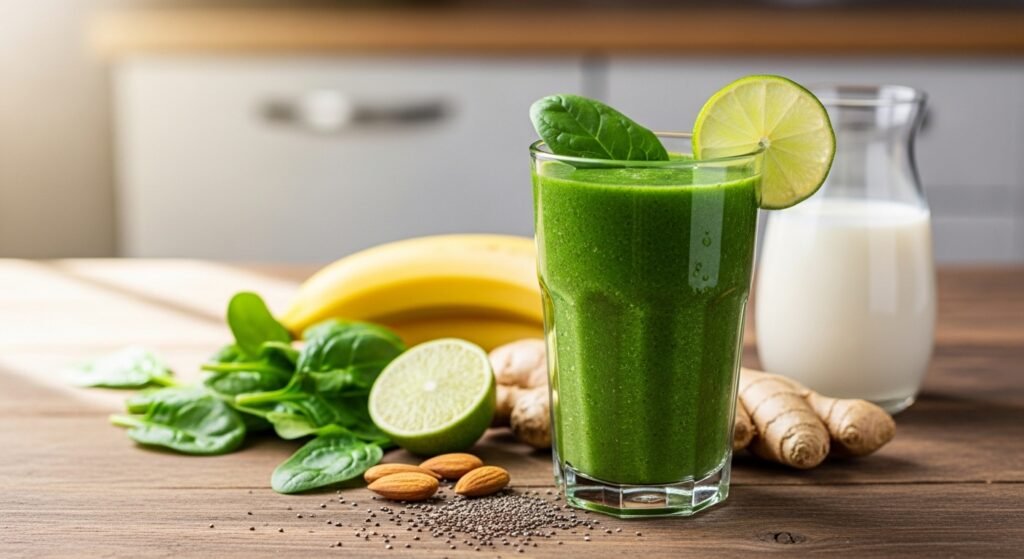
Ingredients List
Crafting the perfect green smoothie for energy starts with selecting the right, vibrant ingredients. Here’s a list to get you started, with some fantastic substitution ideas to keep things fresh and exciting:
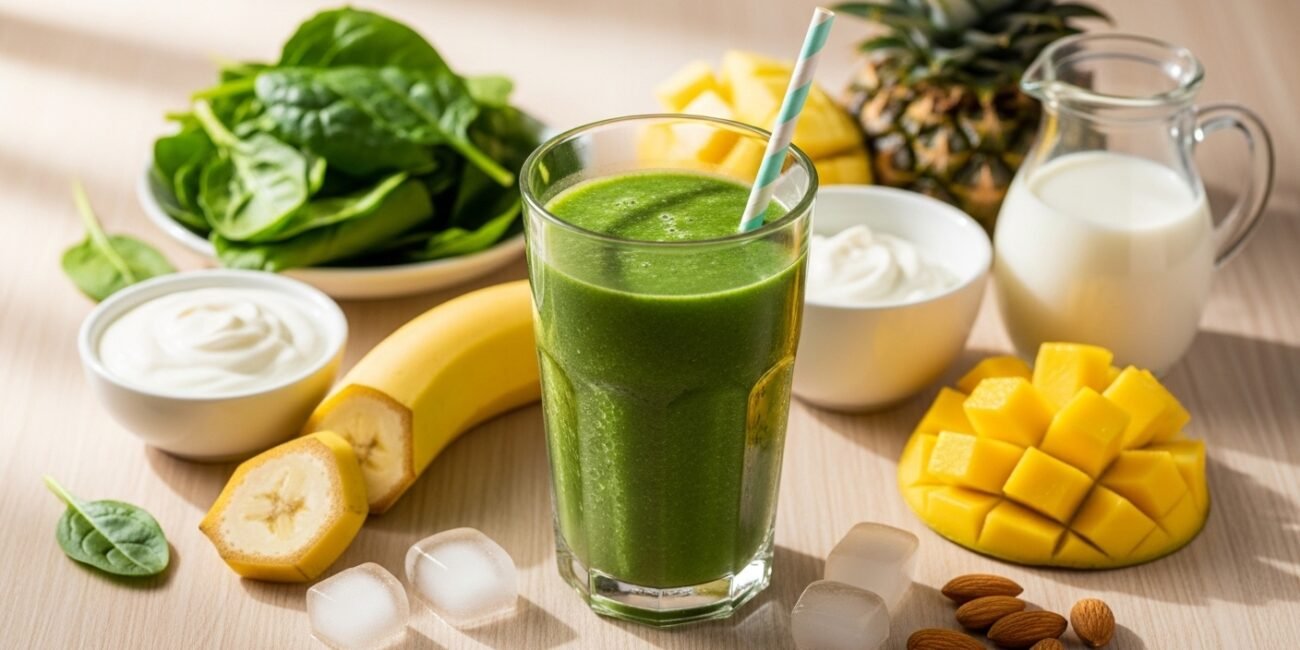
- 1 cup packed fresh spinach or kale: These leafy greens are the powerhouses, loaded with vitamins A, C, and K, plus iron. Substitution: Swiss chard or romaine lettuce for a milder flavor.
- 1/2 frozen banana: Adds natural sweetness, creaminess, and a good dose of potassium. Substitution: Half an avocado for healthy fats and creaminess with less sugar, or half a cup of frozen mango for tropical sweetness.
- 1/2 cup mixed berries (frozen): Antioxidant-rich and provide a lovely tang. Substitution: Any frozen fruit like pineapple, peaches, or cherries.
- 1 scoop plant-based protein powder (vanilla or unflavored): Crucial for sustained energy, muscle repair, and satiety. Substitution: 1-2 tablespoons of hemp seeds, chia seeds, or a dollop of Greek yogurt (dairy-free if preferred) for protein and thickness.
- 1 tablespoon chia seeds or flax seeds: Excellent sources of omega-3 fatty acids, fiber, and protein. They also help thicken the smoothie. Substitution: Ground flaxseed or a tablespoon of nut butter for healthy fats.
- 1 cup unsweetened almond milk: The liquid base, keeping calorie count low. Substitution: Water, coconut water for electrolytes, or oat milk for a creamier texture.
- Optional boosts:
- 1/4 inch knob of fresh ginger: For a zesty kick and anti-inflammatory benefits.
- Pinch of turmeric: Another anti-inflammatory hero.
- 1 tablespoon almond butter: For extra healthy fats and a satisfying richness.
- A few ice cubes: If your fruit isn’t frozen, to ensure a chillier, thicker consistency.
Timing
One of the greatest appeals of learning How to Make a Healthy Green Smoothie for Energy is its incredible efficiency. Forget elaborate breakfast preparations! This recipe is designed for speed without sacrificing nutrition.
Preparation Time: 5 minutes
Blending Time: 2 minutes
Total Time: 7 minutes
Compared to a typical cooked breakfast that might involve 20-30 minutes of prep and cooking, this smoothie offers a significant time-saving advantage. In just 7 minutes, you can have a complete, nutrient-dense meal ready to go. This efficiency is particularly valuable for busy mornings, allowing you to reclaim precious time without compromising your commitment to Healthy Meals.
Step-by-Step Instructions
Here’s a simple, engaging guide on How to Make a Healthy Green Smoothie for Energy:
Gather Your Tools
First, ensure you have a high-speed blender ready. A good blender makes all the difference in achieving that silky-smooth consistency. No one wants a chunky smoothie!
Layer Your Ingredients Strategically
Start by adding the liquid (almond milk) to your blender first. This helps to create a vortex and ensures the blades can efficiently process all the ingredients. Next, add your softer ingredients like spinach or kale, followed by the frozen banana, berries, protein powder, and seeds. Tip: Placing greens at the bottom with liquid helps them blend more thoroughly, preventing those pesky leafy chunks.
Blend Until Smooth and Creamy
Secure the lid tightly and begin blending on a low speed, gradually increasing to high. Blend for 1-2 minutes, or until the mixture is completely smooth and creamy. If the smoothie is too thick, add a splash more almond milk slowly until your desired consistency is reached. Pro Tip: Resist the urge to add too much liquid at once; you can always add more, but you can’t take it away!
Taste and Adjust (Optional)
Give your green smoothie a quick taste test. Does it need more sweetness? Add a date or a dash of maple syrup. Want more tang? A squeeze of lemon juice can brighten the flavors. This is your chance to personalize your energy-boosting concoction.
Serve Immediately
Pour your freshly blended green smoothie into a glass and enjoy! For an extra touch, you can garnish with a sprinkle of chia seeds or a fresh berry. The best way to make a healthy green smoothie for energy is to drink it right after blending to get maximum nutrient benefits.
Nutritional Information
Understanding the nutritional breakdown of your green smoothie is key to appreciating its energy-boosting power. Based on the core ingredients listed above (spinach, frozen banana, mixed berries, plant-based protein, chia seeds, almond milk), here’s a typical nutritional profile:
- Calories: Approximately 250-350 calories (varies based on specific protein powder, additions like nut butter, or fruit choices). This makes it an ideal light meal or substantial snack.
- Protein: 15-25 grams. This high protein content is crucial for satiety and sustained energy, preventing blood sugar crashes often associated with carb-heavy breakfasts. It also aids in muscle recovery and growth, especially after a morning workout.
- Fiber: 8-12 grams. The fiber from fruits, vegetables, and seeds promotes digestive health, helps regulate blood sugar levels, and contributes to feeling full for longer. Many adults struggle to meet their daily fiber recommendations, and this smoothie provides a significant boost.
- Healthy Fats: 5-10 grams. Primarily from chia seeds and any optional nut butter, these fats are essential for hormone production, brain health, and the absorption of fat-soluble vitamins (A, D, E, K) found in your greens.
- Vitamins & Minerals: Rich in Vitamin C (immune support), Vitamin K (bone health), Vitamin A (vision), Folate (cell function), Potassium (blood pressure regulation), Iron (oxygen transport), and Magnesium (energy production). Studies indicate that regular consumption of green smoothies can significantly improve micronutrient intake compared to standard diets.
The synergistic effect of these nutrients makes How to Make a Healthy Green Smoothie for Energy a truly superior breakfast option, delivering sustained vitality from naturally derived sources without artificial stimulants.
Healthier Alternatives for the Recipe
While the base recipe for How to Make a Healthy Green Smoothie for Energy is already fantastic, there’s always room for customization to fit diverse dietary needs and preferences. Here are some healthier alternatives and creative swaps:
- Lower Sugar Option: If you’re mindful of sugar intake, reduce or omit the banana. Replace with half an avocado for creaminess and healthy fats, or a small handful of zucchini (peeled or unpeeled) which blends seamlessly and adds micronutrients without impacting flavor.
- Extra Protein Boost: For those focused on fitness or needing more satiety, consider adding a tablespoon of collagen peptides (unflavored), a scoop of hemp protein, or a serving of plain Greek yogurt (dairy or non-dairy).
- Fiber Powerhouse: Amp up the fiber by including a tablespoon of psyllium husk powder (start small to avoid digestive upset) or adding a few prunes for a naturally sweet and fiber-rich addition.
- Superfood Swaps: Incorporate a teaspoon of spirulina or chlorella powder for a powerful chlorophyll and antioxidant boost. Maca powder can be added for energy and hormone balance, or ashwagandha for stress reduction.
- Nut-Free Version: If you have nut allergies, opt for oat milk or coconut water as your liquid base, and use sunflower seed butter instead of almond butter for healthy fats. Hemp seeds are also a great nut-free protein source.
- Keto-Friendly Adaptation: Focus on leafy greens, avocado, MCT oil, and a low-carb protein powder. Use unsweetened coconut milk as the base and limit high-sugar fruits, opting for a small amount of berries if desired within carb limits.
These alternatives not only maintain the deliciousness but also ensure your green smoothie remains a versatile and personalized tool for your health and energy goals.
Serving Suggestions
Making a healthy green smoothie for energy is just the first step; how you serve and enjoy it can elevate the experience! Here are some creative, appealing suggestions to make your smoothie more inviting and versatile:
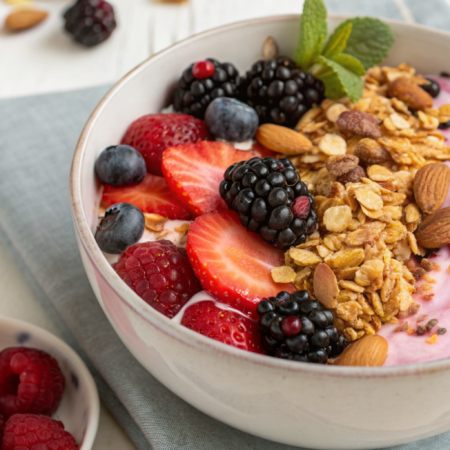
- The Power Bowl: Pour your smoothie into a bowl and top with a vibrant array of garnishes. Think fresh berries, granola, a sprinkle of coconut flakes, chia seeds, a drizzle of almond butter, or sliced banana. This turns your drink into a spoonable, satisfying meal.
- On-the-Go Fuel: For busy mornings, use a secure, insulated tumbler to keep your smoothie cold and fresh. This makes it easy to sip on your commute or during your morning errands without missing a beat.
- Pre and Post-Workout Boost: Blend your smoothie with a bit of extra protein powder or a shot of espresso for a pre-workout pick-me-up. Post-workout, focus on ingredients like spinach (for nitrates) and protein to aid in muscle recovery.
- The Hydration Helper: Blend with coconut water instead of almond milk for an extra electrolyte kick, especially refreshing after a strenuous activity or on a hot day.
- Kid-Friendly Fun: For younger palates, sometimes the “green” can be a deterrent! Try adding more sweet fruits like mango or pineapple, and using milder greens like spinach (which is practically undetectable in taste). Serve with a fun colorful straw.
- Dessert Smoothie: Blend in a small amount of dark cocoa powder and a date for a healthy, guilt-free chocolatey treat that still delivers on energy.
These serving ideas help ensure that your investment in How to Make a Healthy Green Smoothie for Energy pays off with every enjoyable sip or spoonful, adapted perfectly to your lifestyle.
Common Mistakes to Avoid
Even a seemingly simple task like preparing a green smoothie can have pitfalls that impact taste, texture, and nutritional value. Here are common mistakes to avoid when learning How to Make a Healthy Green Smoothie for Energy:
- Adding Too Many Sweet Fruits: While fruits provide natural sweetness, an excess can lead to a sugar overload, potentially causing a blood sugar spike followed by a crash. Aim for a balanced ratio of greens to fruit (e.g., 2:1 or 1:1, depending on preference). Data shows that smoothies heavy on fruit can sometimes contain as much sugar as a soda if not carefully portioned.
- Not Using Frozen Ingredients: Using fresh fruit and no ice can result in a lukewarm, thin, and less appealing smoothie. Frozen fruit (especially bananas) adds necessary chill, creaminess, and thickness.
- Skipping the Protein or Healthy Fats: Without sufficient protein and healthy fats, your smoothie might not be as filling or provide sustained energy. You’ll feel hungry sooner. These components are vital for satiety and nutrient absorption.
- Forgetting the Liquid First Rule: Dumping greens and thick ingredients in first can lead to uneven blending, requiring excess scraping and longer blending times. Always add liquid first to ensure a smooth, efficient blend.
- Over-Blending: While you want it smooth, over-blending can sometimes heat the ingredients and oxidize delicate nutrients, slightly reducing their potency. Blend just until smooth, but no longer.
- Ignoring the Taste Test: Don’t be afraid to taste and adjust! A smoothie should be enjoyable. If it’s too bitter, add a little more sweet fruit. Too thick? More liquid. Your palate is your best guide.
- Using Only One Type of Green: While spinach is great, rotating your greens (kale, chard, romaine) can provide a broader spectrum of nutrients and prevent “nutrient fatigue” if you drink them daily.
Avoiding these common errors will ensure that every green smoothie you make is not only delicious but also optimally effective for sustained energy and health.
Storing Tips for the Recipe
While green smoothies are best enjoyed fresh, there are smart ways to prepare ahead or store leftovers when you learn How to Make a Healthy Green Smoothie for Energy, ensuring you always have a nutritious option ready.
- Immediate Consumption is Best: For maximum nutrient potency, especially for delicate vitamins and enzymes, consume your green smoothie within 30 minutes of blending. Oxygen exposure can begin to degrade some nutrients.
- Short-Term Storage (Up to 24 hours): If you absolutely must store it, pour your smoothie into an airtight container, filling it to the very top to minimize air exposure. A mason jar with a tight lid works perfectly. Store it in the coldest part of your refrigerator. Some separation may occur, but a quick shake or stir will usually restore it.
- Freezing for Longer Storage:
- Pre-portioned Ingredients: The most effective method for future smoothies is to prepare individual freezer bags with pre-portioned greens, frozen fruit, and seeds. When you’re ready, just dump the bag’s contents into the blender, add liquid, and blend. This saves significant time on busy mornings.
- Blended Smoothie Cubes: If you’ve made too much smoothie, pour the leftovers into ice cube trays and freeze. Once frozen, transfer the cubes to an airtight freezer bag. When you want a smoothie, simply blend a few cubes with a fresh splash of liquid. This is great for adding a nutrient boost to other drinks too!
- Preventing Oxidation: Adding a squeeze of lemon or lime juice to your smoothie can help slightly slow down the oxidation process, keeping it fresher and brighter.
- Look and Smell Test: Before consuming a stored smoothie, always perform a quick visual inspection and smell test. While separation is normal, any off-smell or unusual discoloration means it’s best to discard it.
By following these storage tips, you can efficiently incorporate the benefits of How to Make a Healthy Green Smoothie for Energy into your daily routine, even with a hectic schedule.
Conclusion
Mastering How to Make a Healthy Green Smoothie for Energy is more than just learning a recipe; it’s about embracing a lifestyle choice that prioritizes sustained well-being and vibrant vitality. We’ve explored everything from the specific ingredients that fuel your body without the jitters, to smart preparation and storage hacks that fit even the busiest schedules. This simple yet powerful concoction offers a data-backed pathway to improved focus, stable energy levels, and a significant boost in essential nutrients. Ditching the temporary buzz for continuous fuel is a decision your body will thank you for.
Ready to transform your mornings and supercharge your day? We encourage you to whip up your own Healthy Green Smoothie for Energy. Experiment with the alternatives, find your perfect blend, and feel the difference! Share your favorite ingredient combinations and any tips you discover in the comments below. For more delicious and energy-boosting recipes, be sure to check out our other posts on Healthy Meals and discover new ways to nourish your body and mind!
FAQs
Q1: Can I use fresh greens instead of frozen ones for my green smoothie?
Absolutely! Fresh greens work perfectly. However, if you’re not using frozen fruit as well, you might want to add a few ice cubes to achieve a colder, thicker consistency. Sometimes, fresh spinach or kale can also produce a slightly “grassier” taste compared to frozen versions.
Q2: What’s the best time of day to drink a green smoothie for energy?
While you can drink it anytime, the best time to consume a green smoothie for energy is often in the morning, as a breakfast replacement. Its nutrient density can kickstart your metabolism and provide sustained energy that lasts for hours. It also makes for an excellent post-workout recovery drink.
Q3: My smoothie tastes too bitter. How can I make it sweeter naturally?
If your smoothie is too bitter (often from greens like kale), you can balance the flavor by adding more naturally sweet ingredients. Options include a whole frozen banana, a pitted Medjool date, a handful of frozen mango, a teaspoon of maple syrup, or a few drops of liquid stevia. A squeeze of orange juice can also help cut the bitterness while adding sweetness.
Q4: Can I pre-make smoothie packs for the week?
Yes, this is an excellent strategy for time-saving! Portion out your dry ingredients (greens, frozen fruit, seeds, and protein powder) into individual freezer-safe bags or containers. When you’re ready for your smoothie, simply dump the contents into your blender, add your liquid, and blend. This can significantly cut down on morning prep time.
Q5: Will a green smoothie keep me full until lunch?
The satiety factor depends largely on the balance of protein, fiber, and healthy fats in your smoothie. By including protein powder, chia/flax seeds, and healthy fats like avocado or a nut butter, your green smoothie should be quite filling and keep you satisfied until your next meal, preventing mid-morning cravings. If you find yourself getting hungry, increase your protein and fat content.
Other Articles

How to Prepare a Fresh Mediterranean Salad at Home
How to Cook a Nutritious Quinoa Bowl with Vegetables