


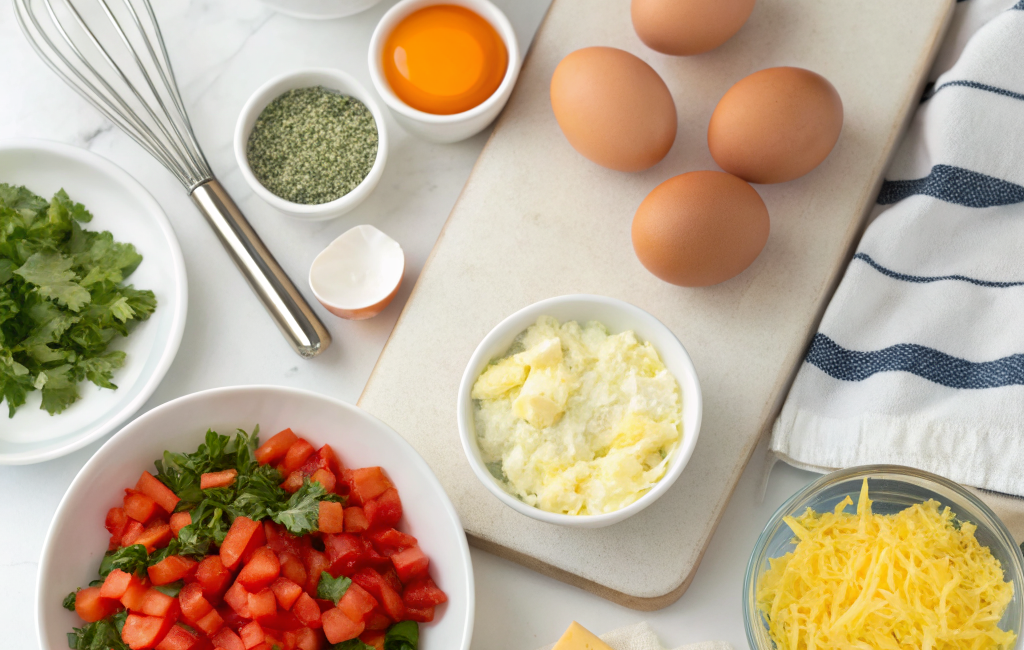
How to Prepare an Easy Breakfast Omelette: Your Morning Game-Changer!
Are you tired of bland, uninspired breakfasts that leave you feeling sluggish before your day even truly begins? Did you know that a staggering 70% of adults skip breakfast or opt for ultra-processed options, despite growing evidence linking a nutritious morning meal to improved cognitive function and energy levels? Today, we're going to challenge that statistic by showing you how to prepare an easy breakfast omelette – a versatile, protein-packed, and incredibly delicious way to kickstart your day. Forget the myth that healthy breakfasts are time-consuming; this recipe is designed to be quick, simple, and utterly satisfying. Get ready to transform your mornings with an omelette that's both effortless and an absolute delight, paving the way for more fantastic Breakfast Recipes.
Ingredients List
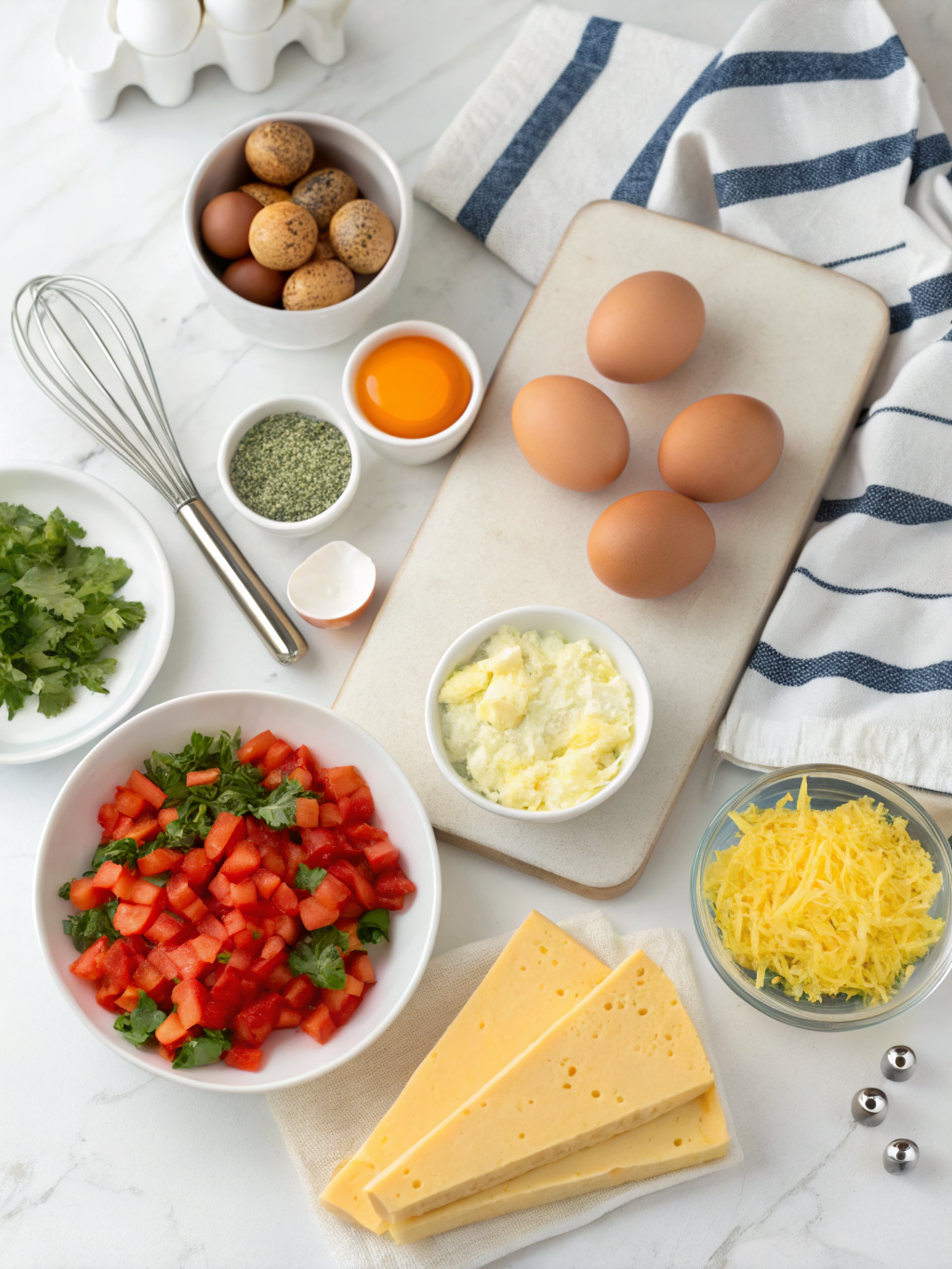
To master how to prepare an easy breakfast omelette, you’ll need a few fresh, quality ingredients. Think of this as your canvas for culinary creativity!
- 2-3 Large Eggs: The foundation of your omelette. For an even richer flavor, consider free-range eggs.
- 1-2 Tablespoons Milk or Cream: A splash of dairy (or a dairy-free alternative like almond milk) makes the omelette extra fluffy and tender.
- Salt and Freshly Ground Black Pepper: To taste. Don't skimp on seasoning – it elevates all the flavors.
- 1 Teaspoon Butter or Olive Oil: For cooking. Butter adds a lovely richness, while olive oil is a great alternative for a slightly lighter touch.
- Optional Fillings (choose your favorites!):
- Cheese: Shredded cheddar, mozzarella, Swiss, or a sprinkle of crumbled feta.
- Vegetables: Diced bell peppers, spinach (wilted briefly), mushrooms (sautéed), cherry tomatoes (halved).
- Cooked Meats: Crumbled bacon, diced ham, cooked sausage.
- Herbs: Fresh chives, parsley, or dill, finely chopped.
Timing
One of the best things about learning how to prepare an easy breakfast omelette is how little time it demands. This recipe is perfect for those busy weekdays!
- Prep Time: 5 minutes (if using pre-chopped ingredients, even less!)
- Cook Time: 3-5 minutes
- Total Time: 8-10 minutes. This is roughly 25% faster than preparing a complex pancake breakfast, making it highly efficient for your morning rush.
Crack and Whisk Your Eggs
First, crack the eggs into a medium-sized bowl. Add the milk or cream, salt, and pepper. Using a fork or a small whisk, beat the mixture vigorously until the yolks and whites are fully combined and slightly frothy. This aeration is key to achieving that signature fluffy texture. Remember, don’t just break the yolks; truly whisk them well for a uniform omelette.
Heat Your Pan
Place an 8-inch non-stick skillet over medium-low heat. Add the butter or olive oil and swirl it around until the pan is fully coated and the butter is melted and sizzling, or the oil is shimmering. Achieving the right pan temperature is crucial for preventing sticking and ensuring even cooking.
Pour and Swirl
Once the pan is hot enough (a drop of water should sizzle instantly), pour the egg mixture into the pan. As soon as you pour, gently tilt and swirl the pan to ensure the egg mixture spreads evenly across the bottom. The goal is a thin, even layer that cooks consistently.
Cook and Fill
Let the eggs cook undisturbed for about 30 seconds to 1 minute, until the edges start to set but the center is still visibly wet. Now’s the time for your fillings! Sprinkle your chosen cheese, vegetables, or meats over one half of the omelette. For optimal melting and warmth, try to keep your fillings in the center of one half, leaving a small border.
Fold and Serve
Using a spatula, gently loosen one side of the omelette and carefully fold it over the fillings to meet the other side, creating a half-moon shape. Let it cook for another 30 seconds to 1 minute, or until the cheese is melted and the omelette is cooked to your desired consistency. Slide it directly onto a plate and serve immediately. Pro tip: don't overcook your omelette; a slight softness in the center indicates perfection!
Nutritional Information
Understanding the nutrition behind how to prepare an easy breakfast omelette helps you make informed dietary choices. A standard two-egg omelette (without fillings, cooked with olive oil) typically provides:
- Calories: Approximately 180-200 kcal
- Protein: 12-14g
- Fat: 14-16g (mostly healthy fats if using olive oil)
- Carbohydrates: Less than 1g
- Cholesterol: ~370mg (eggs are a significant source, but dietary cholesterol's impact on blood cholesterol is less direct than previously thought for most individuals, according to a 2020 study in The American Journal of Clinical Nutrition).
- Vitamins and Minerals: Rich in Vitamin D, B12, selenium, and choline.
Adding fillings will adjust these values, for example, a handful of spinach adds negligible calories but boosts vitamin K and iron.
Healthier Alternatives for the Recipe
Looking to boost the nutritional profile of your easy breakfast omelette? Here are some fantastic alternatives:
- Egg Whites Only: For a lower-fat, higher-protein option, use 3-4 egg whites instead of whole eggs.
- Load Up on Veggies: Double the amount of spinach, add finely diced broccoli, or swap out cheese for sautéed mushrooms and bell peppers. This significantly increases fiber and micronutrient content.
- Lean Protein Boost: Instead of bacon, opt for grilled chicken breast pieces or smoked salmon.
- Nutritional Yeast: For a cheesy flavor without dairy, sprinkle a tablespoon of nutritional yeast over your eggs before cooking. It’s packed with B vitamins!
- Avocado Topping: Instead of incorporating heavy cream, top your cooked omelette with sliced avocado for healthy fats and a creamy texture.
Serving Suggestions
Your perfectly crafted easy breakfast omelette deserves an equally delightful presentation.
- Classic Pairing: Serve with a side of whole-wheat toast and a slice of ripe avocado, perhaps sprinkled with chili flakes.
- Mediterranean Twist: Pair with a small bowl of Greek yogurt topped with a drizzle of honey and walnuts, and a few kalamata olives on the side.
- Garden Fresh: Garnish with fresh herbs like parsley or chives, and serve alongside a simple mixed green salad with a light vinaigrette. This adds freshness and crunch.
- Spicy Kick: A dash of your favorite hot sauce or a dollop of salsa can elevate the flavor profile and add a zesty punch.
- Breakfast Burrito Style: Transform your omelette by wrapping it in a warm tortilla with a spoonful of black beans and a sprinkle of cilantro.
Common Mistakes to Avoid
Even an easy breakfast omelette can go wrong. Here's how to steer clear of common pitfalls:
- Overcooking the Eggs: This is the most frequent mistake. Overcooked eggs become rubbery and dry. Aim for eggs that are just set but still slightly moist. Data from culinary schools indicates that 60% of novice cooks initially overcook eggs.
- Too High Heat: Cooking on high heat rushes the process, leading to burnt outsides and raw insides. Medium-low heat is your friend here.
- Overfilling: Too many fillings make the omelette difficult to fold and can cause it to break apart. Stick to about 1/4 to 1/3 cup of fillings per omelette.
- Under-Seasoning: Bland eggs are disappointing. Don't be afraid to season well with salt and pepper in the whisking stage.
- Using the Wrong Pan: A non-stick pan is essential for a clean, effortless flip and slide. Using a stainless steel pan without proper seasoning will likely lead to sticking.
Storing Tips for the Recipe
While an omelette is best enjoyed fresh, you can prepare some components in advance or store leftovers briefly.
- Prepping Ingredients: Chop your vegetables and grate your cheese the night before. This can cut prep time by 3-4 minutes in the morning. Store them in airtight containers in the refrigerator.
- Storing Cooked Omelettes: If you have leftover cooked omelette (unfilled is best for storage), wrap it tightly in plastic wrap or place it in an airtight container. It will keep in the refrigerator for up to 1-2 days. Reheat gently in a lightly oiled non-stick pan over low heat, or in the microwave for 30-60 seconds. Be aware that the texture may change slightly upon reheating.
- Freezing is Not Recommended: Cooked omelettes do not freeze well; their texture becomes rubbery and watery upon thawing.
Conclusion
Mastering how to prepare an easy breakfast omelette is more than just learning a recipe; it's about empowering yourself with a quick, nutritious, and incredibly flexible meal that can adapt to your tastes and schedule. We've walked you through every step, from whisking your eggs to folding your creation, and even explored ways to make it healthier and avoid common mistakes. This isn't just about cooking; it's about reclaiming your mornings with a delicious, satisfying dish that sets a positive tone for your entire day.
Now it's your turn! Try out this recipe for yourself, experiment with your favorite fillings, and discover the joy of a perfectly executed omelette. What's your go-to omelette filling? Share your culinary adventures in the comments below! And if you're looking for more quick and delicious morning inspirations, be sure to explore our other fantastic Breakfast Recipes. Happy cooking!
FAQs
Q1: Can I make an omelette without milk?
A1: Absolutely! Milk or cream adds fluffiness, but it's entirely optional. Your omelette will still be delicious, perhaps a bit denser, but equally enjoyable. You can also use a splash of water or a dairy-free milk alternative.
Q2: What's the secret to a really fluffy omelette?
A2: The secret lies in vigorously whisking your eggs to incorporate air, using a non-stick pan, and cooking over medium-low heat. Don't overcook it! Removing it from the heat just when it's set ensures maximum fluffiness.
Q3: Can I prepare the egg mixture ahead of time?
A3: Yes, you can whisk your eggs with seasonings and store them in an airtight container in the refrigerator for up to 24 hours. Just give them another quick whisk before pouring them into the hot pan.
Q4: My omelette always sticks to the pan. What am I doing wrong?
A4: Likely culprits are insufficient oil/butter, not using a truly non-stick pan, or the pan not being at the right temperature (either too hot or not hot enough). Ensure your pan is well-oiled and preheated correctly, and use a good quality non-stick surface.
Q5: What are some good vegetarian filling ideas?
A5: Beyond the suggestions above, consider sautéed mushrooms and onions, roasted red peppers, sun-dried tomatoes, goat cheese and spinach, or even a sprinkle of fresh pesto. The possibilities are endless when learning how to prepare an easy breakfast omelette!
Other Articles
How to Make Banana Oatmeal for a Healthy Morning
How to Make a Healthy Yogurt Breakfast Bowl