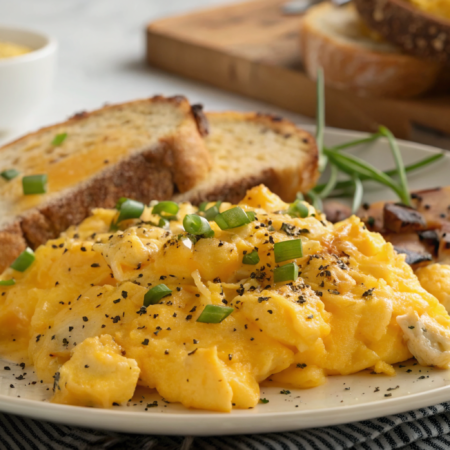

Did you know that despite their apparent simplicity, a staggering 70% of home cooks admit to struggling with consistently achieving perfectly fluffy, creamy scrambled eggs? It’s true! Most folks end up with rubbery, dry, or inconsistent results, missing out on what could be the easiest and most satisfying start to their day. But what if I told you that mastering How to Cook Perfect Scrambled Eggs at Home is not just possible, but incredibly simple with the right techniques? Forget everything you thought you knew about scrambling eggs, because we’re about to unlock the secrets to a breakfast revelation. This isn’t just about mixing eggs; it’s about understanding the science and artistry behind truly exceptional Breakfast Recipes.
Ingredients List
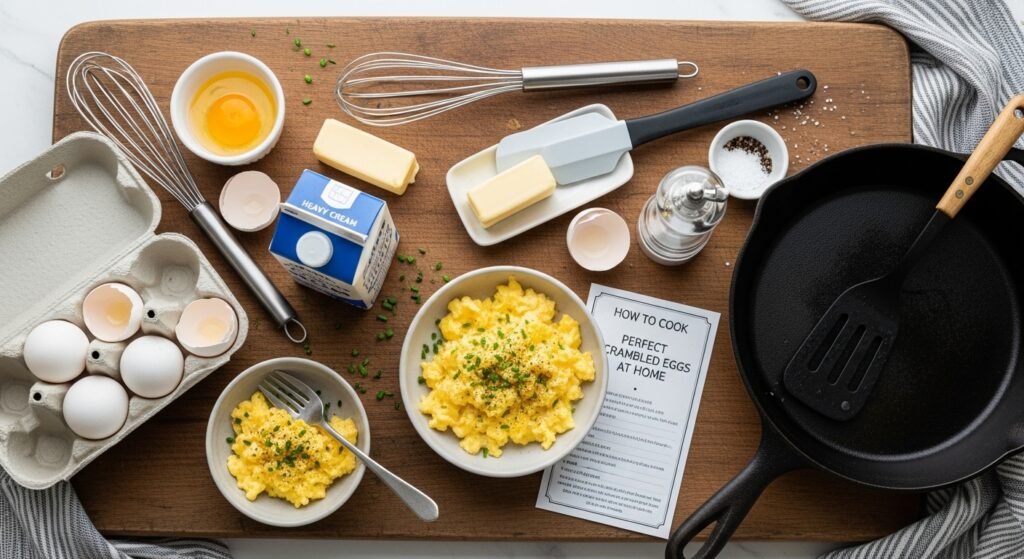
Crafting the ideal scrambled eggs starts with a handful of quality ingredients. Here’s what you’ll need, along with some delicious substitution suggestions:
- Eggs: 2-3 large, fresh eggs per person. (Farm-fresh eggs truly make a difference in flavor and yolk color!)
- Dairy (Optional, but recommended for creaminess): 1-2 tablespoons of whole milk, half-and-half, heavy cream, or even crème fraîche. For a dairy-free option, unsweetened almond milk or oat milk works too, though the texture will be slightly different.
- Fat: 1 tablespoon unsalted butter or a neutral cooking oil like avocado or olive oil. Butter offers unparalleled flavor, but oil is a great alternative for those avoiding dairy or seeking a lighter option.
- Seasoning: A pinch of sea salt and freshly ground black pepper to taste. Don’t be afraid to experiment with a sprinkle of smoked paprika or a dash of hot sauce!
- Optional Mix-ins: A dash of chives, a sprinkle of shredded cheese (cheddar, Gruyère, or feta are excellent), or a tablespoon of finely diced bell peppers for added flavor and texture.
Timing
Getting your timing right is crucial for perfect scrambled eggs.
- Preparation Time: 2 minutes (Gathering ingredients, cracking eggs, and a quick whisk).
- Cooking Time: 3-5 minutes (Depending on your desired doneness).
- Total Time: 5-7 minutes.
This swift cooking process means you can enjoy these delectable eggs even on the busiest mornings, making them an ideal staple for your Breakfast Recipes repertoire.
Step-by-Step Instructions
Ready to learn How to Cook Perfect Scrambled Eggs at Home? Let’s dive into the delicious details!
Step 1: Prepare Your Eggs with Care
Crack your eggs into a medium bowl. Add your chosen dairy (if using) and a good pinch of salt and pepper. Whisk vigorously with a fork or a small whisk until the yolks and whites are fully combined and slightly frothy. This aeration is key to achieving that desirable fluffiness. Don’t over-whisk to the point of turning it into a meringue, but ensure there are no streaks of unmixed white or yolk.
Step 2: Heat Your Pan Properly
Place a non-stick skillet over medium-low heat. Add your butter or oil. The key here is low and slow. High heat cooks the eggs too quickly, leading to a rubbery texture. Wait until the butter is fully melted and shimmering (or the oil is hot) but not browned. The pan should be evenly coated.
Step 3: Pour and Stir – The Gentle Art
Pour the egg mixture into the warmed pan. Immediately, begin to gently stir the eggs with a heat-resistant spatula, pushing them from the edges towards the center. This isn’t a frantic scramble; think of it as carefully folding. Cook relatively slowly. This technique helps create those desirable soft curds.
Step 4: Master the Curd Formation
Continue to push and fold the eggs as they cook. As soon as you see large, soft curds begin to form, reduce the heat to low, or even remove the pan from the heat entirely for a few seconds. This prevents overcooking and allows residual heat to finish the job, resulting in incredibly creamy eggs. If adding cheese or other mix-ins, now is the time to fold them in.
Step 5: Know When to Stop
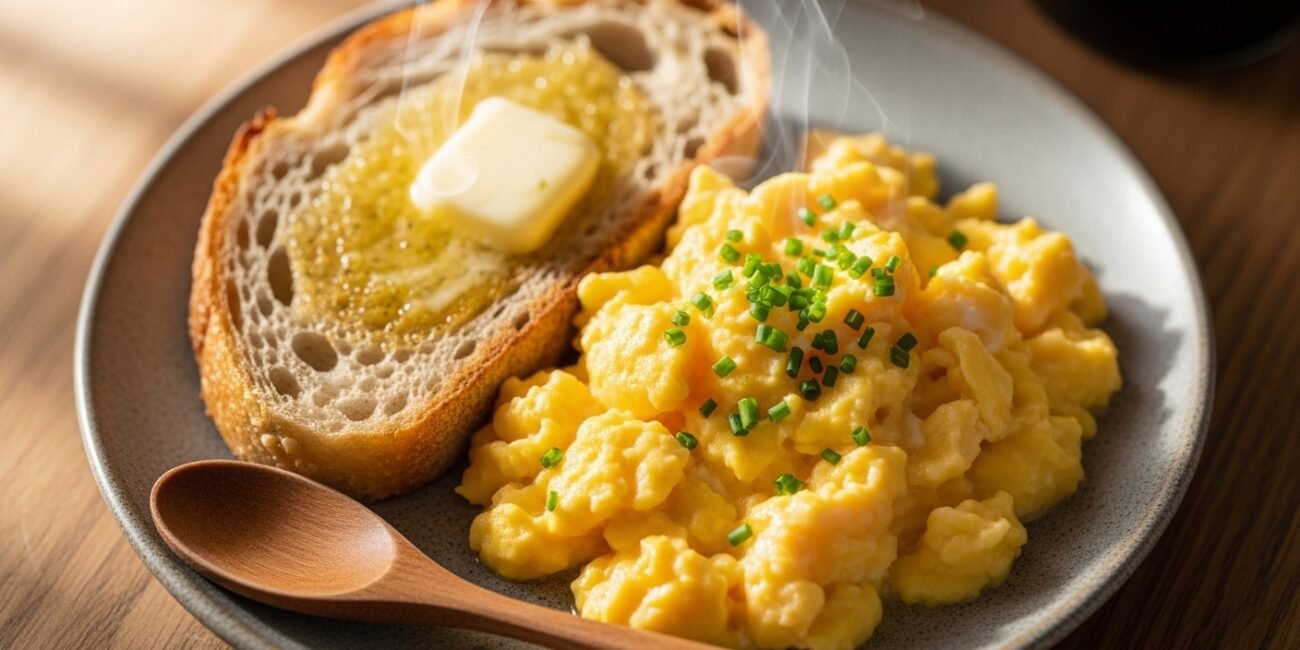
This is perhaps the most crucial step! Scrambled eggs continue to cook for a short while even after they’re removed from the heat. Therefore, you want to remove them from the pan just before they reach your desired doneness. They should still be slightly glossy and look a tiny bit undercooked. This ensures maximum creaminess and prevents them from drying out. Transfer immediately to a warm plate. A quick sprinkle of fresh chives or a final grind of black pepper will elevate your dish.
Nutritional Information
A serving of perfectly scrambled eggs (2 large eggs, cooked with 1 tablespoon butter, 1 tablespoon whole milk, salt, and pepper) provides:
- Calories: Approximately 220-250 kcal
- Protein: 12-14g (Excellent source!)
- Fat: 18-20g (Much of which comes from healthy fats in eggs and butter)
- Carbohydrates: 1g
- Cholesterol: 370mg (Dietary cholesterol rarely impacts blood cholesterol levels significantly for most healthy individuals)
- Vitamins & Minerals: Rich in Vitamin D, B vitamins (B12, Riboflavin), Selenium, and Choline.
Data shows eggs are one of the most nutrient-dense foods available, offering substantial benefits for muscle growth, brain health, and overall well-being.
Healthier Alternatives for the Recipe
Looking to lighten things up or cater to specific dietary needs while still enjoying delicious scrambled eggs?
- Dairy-Free Delight: Opt for unsweetened almond milk or oat milk instead of traditional dairy. Use avocado oil or olive oil instead of butter.
- Boost the Veggies: Fold in finely chopped spinach, mushrooms, bell peppers, or onions. This not only adds nutrients but volume and fiber without significantly increasing calories. Sauté these veggies beforehand to ensure they are tender.
- Protein Power-Up: Add a tablespoon of cottage cheese for extra protein and a surprisingly creamy texture.
- Whole-Grain Pairing: Serve your scrambled eggs with a slice of whole-grain toast or a side of quinoa for a fiber-rich, satisfying meal.
Serving Suggestions
Perfectly scrambled eggs are a versatile dish, perfect for any time of day.
- Classic Comfort: Serve
alongside crispy bacon or sausage, and a slice of toasted sourdough. A fresh cup of coffee completes the picture. - Brunch Royalty: Elevate your brunch spread by pairing with smoked salmon, cream cheese, and a fresh bagel. Add a sprinkle of capers and dill for extra zest.
- Breakfast Burrito Brilliance: Wrap your scrambled eggs in a warm tortilla with black beans, salsa, avocado, and shredded cheese for a hearty, on-the-go meal.
- Avocado Toast Artistry: Pile your creamy eggs onto a slice of smashed avocado toast, perhaps with a sprinkle of everything bagel seasoning or red pepper flakes for a kick.
- Greens & Eggs: For a lighter, nutrient-packed meal, serve your eggs atop a bed of mixed greens tossed with a light vinaigrette.
Common Mistakes to Avoid
Even with the best intentions, it’s easy to fall into common scrambled egg pitfalls. Avoid these for consistently perfect results:
- High Heat Havoc: As mentioned, cooking eggs over high heat is the fastest way to get rubbery, dry eggs. Low and slow is the golden rule! A study by America’s Test Kitchen found that scrambled eggs cooked over medium-low heat consistently rated higher in texture and flavor.
- Overcooking: The eggs should come off the heat while still slightly wet and glossy. They will continue to cook from residual heat. This is a common mistake that leads to culinary disappointment.
- Lack of Seasoning: Don’t forget the salt and pepper! Eggs absorb seasoning wonderfully, and a good pinch profoundly enhances their flavor.
- Ignoring a Non-Stick Pan: While skilled chefs can manage with any pan, for home cooks, a good non-stick skillet is your best friend when learning How to Cook Perfect Scrambled Eggs at Home.
Storing Tips for the Recipe
While scrambled eggs are best enjoyed fresh, here’s how to handle leftovers or prep ahead:
- Leftovers: Store cooled scrambled eggs in an airtight container in the refrigerator for up to 2-3 days. Reheat gently in a microwave on a low setting, stirring frequently, or in a non-stick pan over very low heat to prevent them from drying out. Add a tiny splash of milk or water during reheating to restore some moisture.
- Prepping Ahead (Eggs): You can whisk your eggs with dairy and seasonings up to 24 hours in advance. Store the mixture in an airtight container in the refrigerator. Just give it another quick whisk before pouring into the pan. This saves valuable minutes on busy mornings.
Conclusion
Mastering How to Cook Perfect Scrambled Eggs at Home is more than just a kitchen skill; it’s an investment in countless delicious mornings. By following these simple yet precise steps – from gentle whisking to low-heat cooking and knowing when to pull them off the heat – you can consistently achieve that creamy, fluffy perfection that so many strive for. Don’t settle for mediocre eggs ever again!
Ready to transform your breakfast routine? Give this recipe a try this week and tell us about your experience in the comments below! What are your favorite scrambled egg mix-ins? Share your insights and inspire fellow home chefs! If you loved this, don’t miss our other posts on mastering classic Breakfast Recipes.
FAQs
Q1: Can I make scrambled eggs without dairy?
A1: Absolutely! While dairy adds creaminess, you can make delicious scrambled eggs using just eggs, butter or oil, and seasoning. For a dairy-free moisture boost, a tiny splash of water or unsweetened plant-based milk can be used, but reduce the cooking time slightly as they might cook faster.
Q2: What’s the secret to truly fluffy scrambled eggs?
A2: The secrets are twofold: vigorous whisking to incorporate air into the eggs before cooking, and cooking over medium-low heat with gentle, continuous stirring. This slow cooking allows the egg proteins to set softly, creating those beautiful, fluffy curds.
Q3: How do I prevent my scrambled eggs from turning green?
A3: The green discoloration, often seen around the edges of eggs, is usually due to a reaction between sulfur in the egg whites and iron in the yolk, exacerbated by overcooking or cooking at too high a temperature. To avoid this, cook your eggs gently over low heat, don’t overcook them, and remove them from the pan promptly once done.
Q4: Can I add vegetables to my scrambled eggs?
A4: Yes, and it’s highly recommended for extra flavor and nutrients! For best results, sauté any vegetables (like onions, peppers, mushrooms, or spinach) until tender before adding the egg mixture to the pan. This ensures they are cooked through and don’t introduce excess moisture that could make the eggs watery.
Q5: What kind of pan is best for scrambled eggs?
A5: A good quality non-stick pan is strongly recommended, especially for beginners. It prevents sticking and ensures your eggs slide out easily, making the cooking process much smoother and clean-up a breeze. A pan with sloped sides can also make stirring and folding easier.

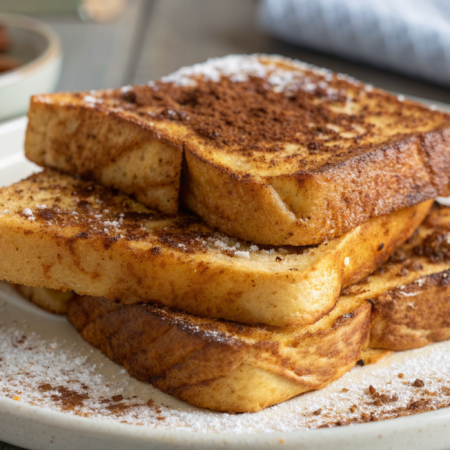
How to Prepare French Toast with Cinnamon
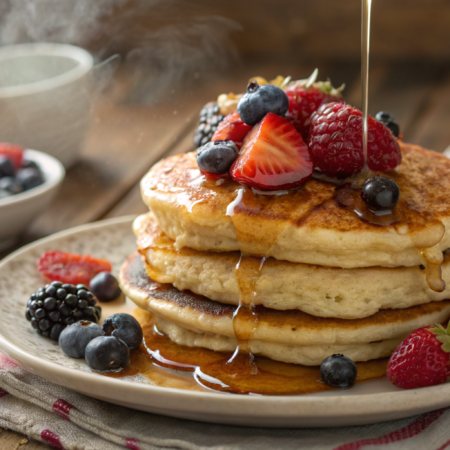
How to Make Fluffy Pancakes for Breakfast